We are chuffed to announce that we are now a
Certified B Corporation
! The BCorp movement has grown a community of businesses that seek to balance profit against impacts on people and the planet. The certification process was intense, requiring us to closely examine all aspects of our business, from staff wellbeing to finances, to the way in which we engage with our clients. We appreciate the opportunity this process gave us to think about the way we do things and how we can improve. Change is good!
The social impact arm of our agency is rapidly building momentum! Drawing on global best-practice, TF.A has put in place a suite of tools that enable our clients to measure the financial impact of their design investment.
In this short video, Nick Juniper, TF.A Principal and accredited social impact assessor, explains more using an example from our portfolio of projects.
Together with our friends at Block Branding, we are thrilled to be supporting the directorial debut of Noongar artist Ian Michael, with his production of The Bleeding Tree by Angus Cerini at The Blue Room Theatre.
In a play described as ‘a fierce revenge fairy-tale’, a cast of First Nations women will tell the story of a mother and her daughters thrown into an unspeakable and harrowing situation.
Our support of this play is part of our commitment to highlighting the incredible talent of First Nations artists in this country. We can’t wait to see how Ian and his creative team interpret this powerful story.
The Bleeding Tree by Angus Cerini runs from 23 Nov – 11 Dec at The Blue Room Theatre in Northbridge. Book your tix here:
We celebrated the launch of
Commune
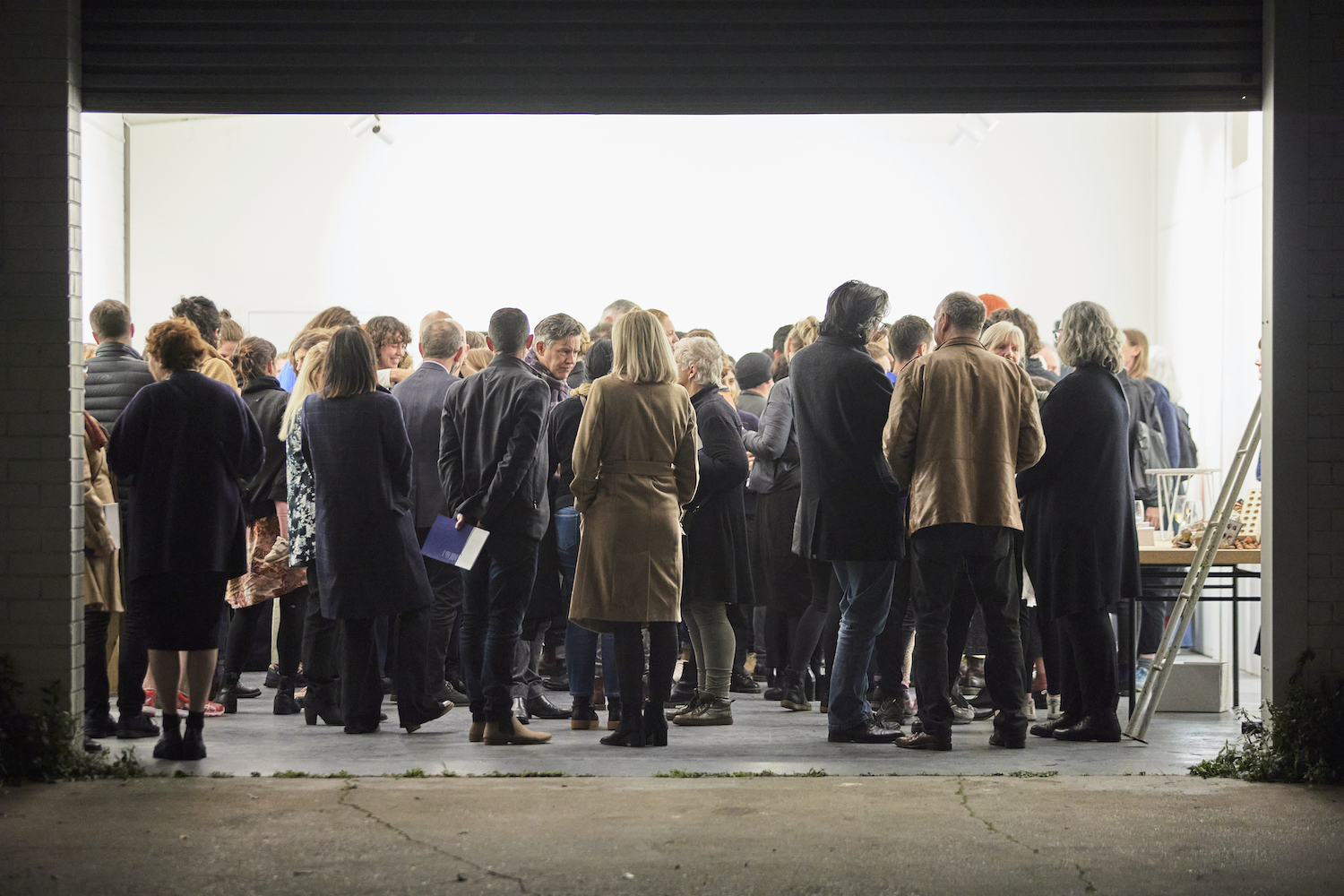
with a party at the Sometimes Gallery in South Fremantle. Coinciding with our launch was the opening of Aggregated Culture, a collaborative art project seeded by TheFulcrum.Agency and delivered by our friends, Gabrielle Howlett, Margaret Dillon and Jesse Lee.
We were blown away by the number of fantastic people who joined us on the night, and by the way in which they embraced our journal and the exhibition. Thank you to everyone who came, and especially to Emeritus Professor Simon Forrest, who gave the most thoughtful Welcome to Country.
And thank you to Dan MacBride for these beautiful images.
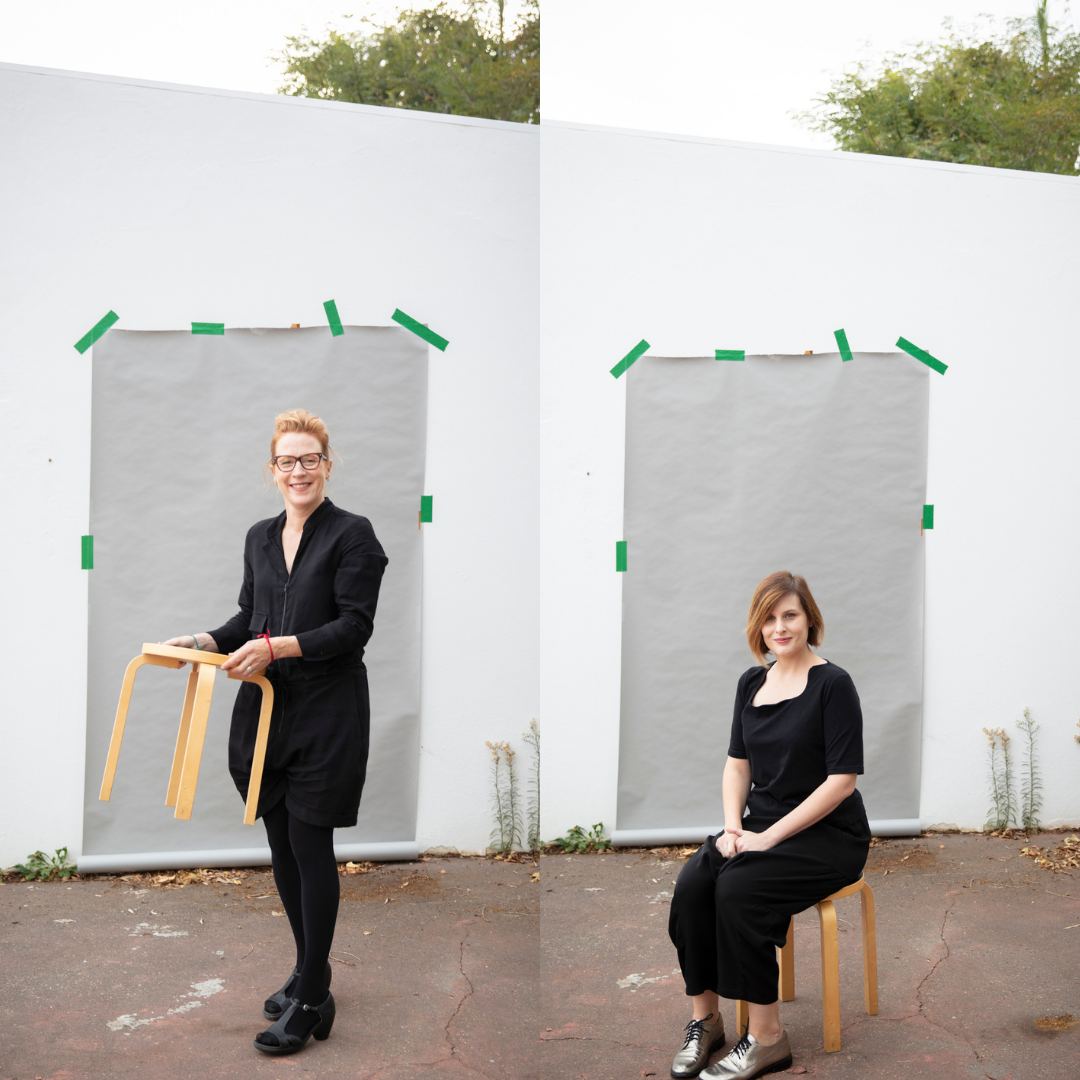
The two Emmas (aka Emma Williamson and Emma Brain) had the pleasure and terror of participating in the latest episode of
Dave Sharp
‘s ‘The Architecture Firm Marketing Podcast’.
Brad from our agency describes it as a ‘candid and detailed overview of our journey so far’. If you’d like to know more about our business or better understand the things we do, you can listen here:
https://lnkd.in/gYcv2Mma
The latest edition of The Architect includes an article by
Kieran Wong
that explores his trajectory from a childhood in Willetton to Chair of
Shelter WA
. The article is both a reflection on his personal values and a clear statement about social and affordable housing in WA:
https://lnkd.in/gTpE2pzj
Thanks to Sandy Anghie and the team at the Australian Institute of Architects WA for the invitation to contribute.
TF.A Co-Founder, Kieran Wong, is also Chair at Shelter WA, Western Australia’s peak advocate for addressing homelessness. Yesterday, The West Australian newspaper published his latest opinion piece entitled, ‘Bring it home in the Budget’.
By now we are all familiar with the scale and severity of homelessness in WA.
Over the past year, we’ve seen the stories, many of them in this newspaper, about people forced to take refuge wherever they can find – on a friend’s couch, in their car, even on the street.
We’ve seen the impact it has on families, the impact on health and the health system, and the cost to the community. And we’ve seen the greatest tragedy of all play out in the pages of this newspaper, families forced to bury their children long before their time. Too often in recent weeks we have been confronted with stories of families grieving and broken by the loss of young people.
Worst of all, surely, are the stories of those who feel so desperate, hopeless and abandoned that they take their own lives.
Figures released last month showed that at least 56 people died while homeless in Perth in 2020. That means that in the past year, while we were all constantly consumed by COVID, we lost at least six times as many people in WA to homelessness.
Fortunately, after a year in which most of us have sought refuge by staying home, there has been more focus than ever on those who don’t have a safe place to stay in WA. Increased awareness of the problem has drawn responses that leverage our unique resources.
At a local government level, the City of Perth Safe Night Spaces have opened this freezing winter to provide some respite from the storms soaking our city streets.
Other interim responses have run off the back of a trial of hotel accommodation for people sleeping rough during our first lockdown last year. As Uniting WA CEO Amanda Hunt said last week, “transitional accommodation and support provides a stable environment to build confidence, capacity and the ability to identify and address the issues that led to homelessness.”
An important response is Boorloo Bidee Mia, culturally appropriate, supported accommodation for people experiencing homeless in the heart of our city. This accommodation, as the name states, aims to deliver a Perth Pathway to Housing that will benefit everyone. And investment into new programs like the Moorditj Mia Strong Home program will make a significant difference supporting individuals and families sleeping rough across the metropolitan area.
Congratulations are due to the Western Australian government, and everyone involved in driving these welcome steps out of homelessness. Now is the time to ensure WA reaches its destination – social housing and sustainable investment into support services to ensure that the end of all our journeying is a home for everyone who needs it.
WA has a first-class homelessness strategy which is guiding new investment and partnerships to end homelessness. Embedded in the strategy is Housing First, an international model for housing and supporting people who have experienced long term and recurring homelessness and who face a range of complex challenges.
To successfully implement housing first, and to prevent homelessness in the first place, along with sustained investment into services we need a strong social and affordable housing system.
Recent government housing investment has stimulated new housing construction with 23,000 dwelling commencements expected in Western Australia in 2020/21, with up to 21,000 per year projected for the next two years. Research by the Bankwest Curtin Economic Centre (BCEC), anticipate that as a result, 10,000 households will leave the private rental market over the next six to twelve months. Whilst this new supply will ease some pressure on the private rental market, presumably including at least part of the affordable housing segment, the BCEC research highlights over 50,000 renters who consider their housing unaffordable. With a social housing waitlist of around 17,000 households, this new housing construction whilst welcome, will not address the fundamental need for more social and affordable rental homes. Modelling by the University of New South Wales showed a social housing shortfall of 39,200 homes and an affordable rental shortfall of 19,400 homes across Western Australia in 2019 to meet demand.
Independent polling released this week by Shelter WA shows the community overwhelming supports investment to end homelessness and build more social and affordable rental homes. Over fifty per cent ranked housing and rental affordable and homelessness in the top five issues that they’d like to see the state government focus on its upcoming budget, behind only the public health system and the cost of living. One in five people ranked housing affordability and homelessness as their number one issue for government to spend more of its budget on.
The WA government has an opportunity to build on their recent initiatives and accelerate and increase the rate of investment into social and affordable housing and homelessness initiatives. This investment will drive the outcomes sought from the homelessness strategy. It will unlock social and economic opportunity for thousands of Western Australians and set us all up for a bright housing future.
The Western Australian government deserves credit for its swift action in protecting our state from the worst ravages of the pandemic. COVID-19 showed the importance of home to keep everybody health and well. However, across Western Australia, it is estimated over 9000 people experience homelessness each day.
We urge the McGowan government to use the same resolve to ending homelessness by using the surplus to solve the housing shortage.
Systemic change seems impossible until it’s inevitable, and our time has come.
We are looking for a creative consultant to join our Fremantle agency full time. Our work is centred on the built environment and spans community development, project management, policy and research. Our ideal candidate is a design graduate (architecture, landscape, interiors all ok), has experience working in regional and remote communities and can travel as required.
If this sounds like you, please email your CV and a cover letter outlining your interest in working with us to nick@thefulcrum.agency.
TF.A Partner,
Emma Williamson
led a great conversation between
Danna Walker
and
Andy Fergus
, who are both passionate about increasing diversity in the architecture and construction sector and finding leverage in roles outside of traditional practice.
The interview touches on many of the topics that we regularly discuss in our studio – building inclusive environments, making impact, the transferability of an architect’s skills – and provides food for thought for those working in the in and outside the profession.
TheFulcrum.Agency are proud to be Industry Partners in a major three-year Australian Research Council project exploring work-related mental wellbeing in architecture.
Led by researchers at
Monash University
, the project will gather the most reliable and comprehensive set of data ever collected about wellbeing in the architecture profession – across Australia, covering all types and sizes of practice, and over time.
The research team is kicking off the project with a detailed survey that asks how much working in architecture has affected your wellbeing, for better or worse.
Participation is entirely voluntary, anonymous, and confidential.
Completing the survey
will take around 15 – 20 minutes – so grab a cup of tea and settle in to contribute to better understanding and greater wellbeing in architecture!