Fremantle Biennale: UNIT


“Our site is on Victoria Quay, close to the launch point for the Rottnest ferry.
In our studio, we’ve been exploring the rich linkages between Walyalup (Fremantle) and Wadjemup (Rottnest), and the Indigenous stories that we’ve heard over years of living and working in this place.
We’ve been deeply moved by the story of Noongar women lighting fires on and around Cantonment Hill to act as a beacon and signal a way home for prisoners fleeing the island.
We’ve looked at maritime motifs, in particular, the triangular shaped devices that cave divers clip on to lines to help them navigate black water to ensure they can find their way to safety.
The aim of our work is to manifest a more optimistic future.”
Michael Gay on Resilience in Architecture


Image: Michael Gay Michael Gay is a Senior Architect at TheFulcrum.Agency working on the New Museum Project for the West Australian State Government. We are enormously proud of his contribution to the discussion around mental health in the architectural profession and encourage everyone to read his article:
Money Matters


Money Matters Associate Principal, Nick Juniper, spoke at the Association of Consulting Architect’s recent Money Matters forum about the tools and techniques that we use at TF.A to keep the practice ticking along… Read what he had to say here:
Our Pivot


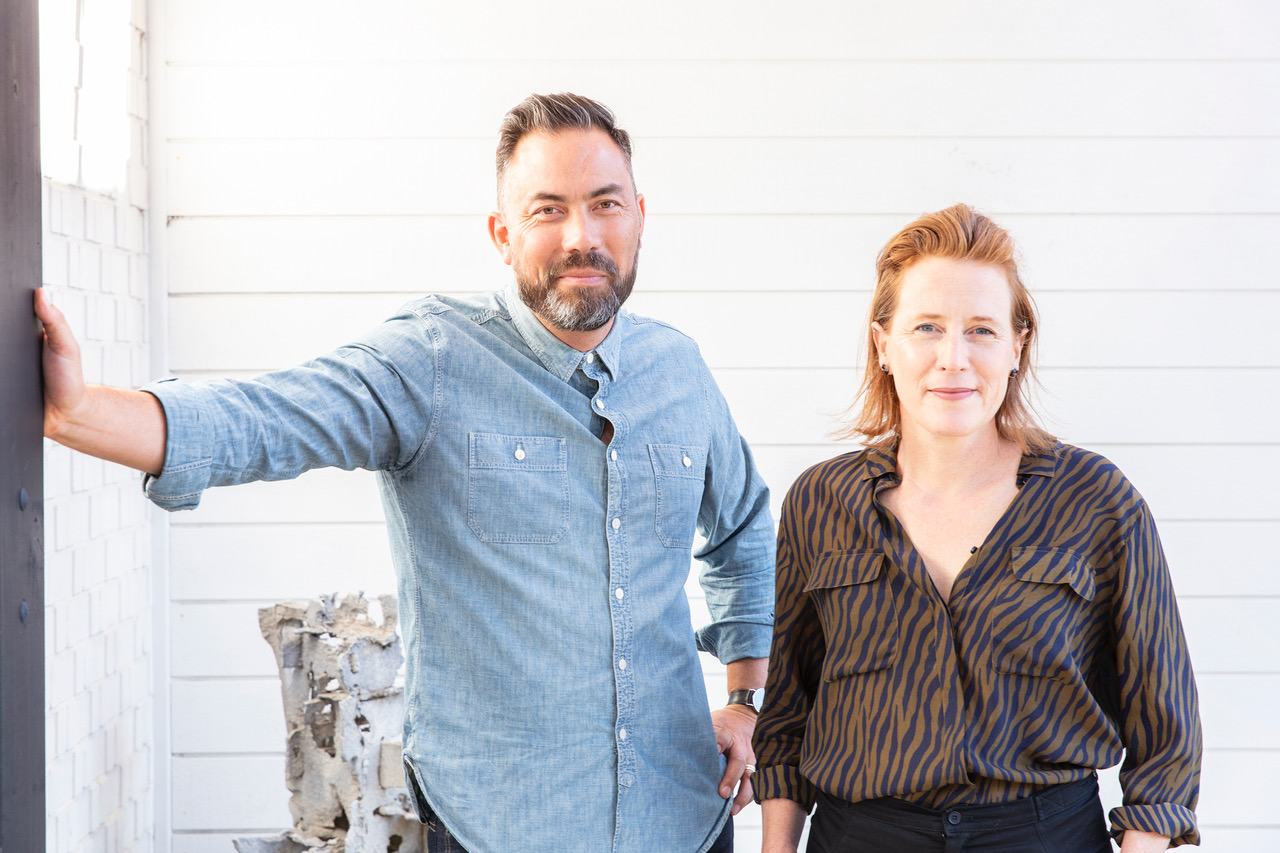
Kieran Wong Emma Williamson In recasting our business, we have had the opportunity to open up a conversation about where we want to place our energy, how we want to spend our time and where we want to make an impact.
One of the things that came up quickly was our shared desire to create a platform for conversation. A conversation that exposes different approaches and views on how we interact with the built environment and offers commentary on issues of social justice, education, equity, art, culture and architecture. Our journal is the start of that conversation.
In each edition we want to invite contributors to help us unpack their experience or reflect on their work as it relates to a specific theme. Perhaps, because of recent experience and the journey of starting something new, we’ve decided to centre the first edition around the idea of the ‘pivot.’
Pivot is a word that has started to creep into commentary about all manner of things; an old word but with new significance. In the brash, confident world of Silicon Valley, it has come to refer to the need to adapt to failure and to shift the experience into new, more positive territory. In short, it is a word that turned failure into a rite of passage for the innovator and made it a strength rather than a weakness. It celebrates those that are not afraid, those that are open to change, are agile and resilient. It alludes to moving at pace, being willing to change direction but keeping up momentum. It rejects the idea of losing face.
Kieran and I have worked together for more than two decades now. In that time, I have come to appreciate that we spur each other on and make each other brave in the face of change. We have been bold in building our working life around our shared values.
With the benefit of hindsight, the bigger changes have happened in roughly five year intervals – that was until last year when we picked up a bit of speed and made a radical shift from large practice to small after only 18 months.
For us, the increase in pace afforded us the chance to refocus our internal drivers and to see where we can make the biggest impact, how we can leverage maximum impact through our efforts. With the reinvention of our practice life, also came the opportunity to confront and define what it means to be an architect and where we think architecture will make an impact in another 20 years’ time.
As our careers have evolved, our appreciation of the breadth of skills of an architect has deepened. The impact of buildings on our environments cannot be understated but nor can the processes and decisions that have led to the point of building. Architecture is far bigger process then we originally thought. Consider, the capacity for collaboration with so many people who are not architects. The capacity to really listen to what they are saying about our past and our future. We embrace the idea of a problem becoming bigger before we can work toward an answer. We think of this as a unique skill that comes from design thinking.
We have had the great benefit of support from our profession, our staff, family and friends as we have travelled (and pivoted) through practice. Many have been on this journey with us for many years and we are deeply grateful and indebted to you all.
In this issue we were overwhelmed by the enthusiasm and speed with which people agreed to be part of our next bold adventure. Either through their conscious decision making or for reasons outside of their control each contributor has in some way engaged in something of a pivot. We hope you enjoy the read!
Architects Declare: Taking Radical Action on Climate Change

It’s imperative that architects take a lead on such an important issue as global warming and also speak with a united voice, says TF.A co-founder and principal, Kieran Wong, in this article commissioned by Brickworks:
Brad Wetherall on PIVOT

Selfie “So, how many degrees are you up to now?
Somehow, this was the jokey comment that stuck with me the most. More than all the sliding door moments, mental HECS debt recalculations, Mondayitis crises of salary comparison that I’ve had in the decade since my pivot from classroom teacher to graduate architect, this question from my Mum’s old school friend that I bumped in to on a Saturday morning grocery shop pokedsome little thought that from time to time makes me question my pivot.
And while it’s important to take the advice of those close to you before big decisions, trust me, the Saturday morning small talk of your Mum’s friend is not the sort of career advice worth considering. If I had have fretted over the thoughts of others, I wouldn’t be working in a job I love, in a career that fits. While it took a little longer to get here and from time to time I reflect on what might have been an easier path, despite what others might say, I know that my pivot was the right move.
Besides, the answer was only three.”
*Brad Wetherall is Graduate Architect at TheFulcrum.Agency
International Dog Day

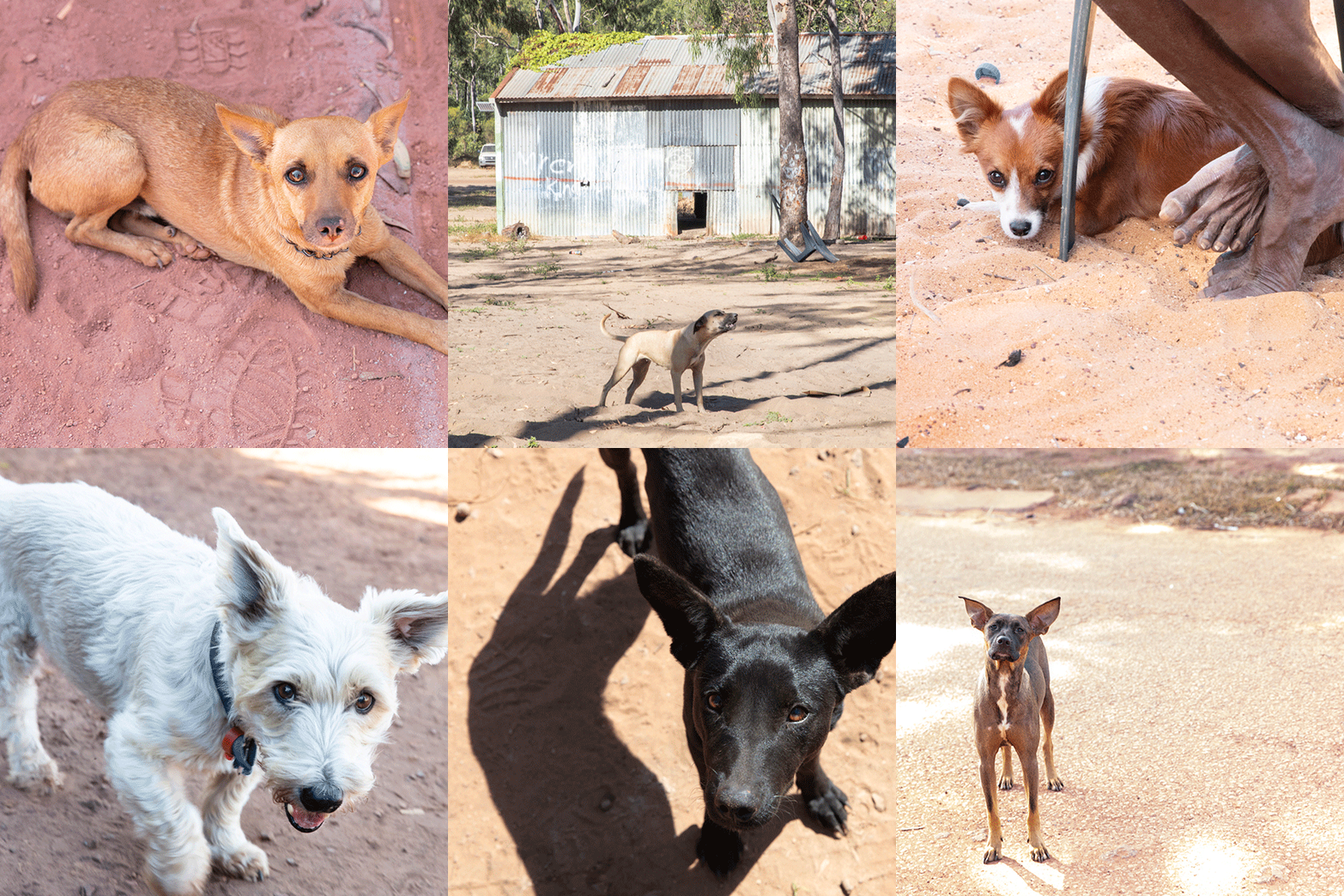
Doggos of Groote Eylandt Bet you didn’t know that it’s International Dog Day, today? We did, because we love them.
To celebrate, we’ve compiled this short film of our favourite Groote Eylandt mutts, photographed by Bo Wong.
Four home traps that contribute to the gender pay gap


As women, there are few events that are commonly shared that that make us pivot to the degree that having children does. In an article first published in our journal, ‘PIVOT’ and then re-worked for The Conversation and the Sydney Morning Herald, TF.A Principal Emma Williamson reflects on the sudden gender divide that happened when she gave birth to her first child and the four traps that we easily fall into at home:
https://theconversation.com/four-home-traps-that-contribute-to-the-gender-pay-gap-122261
Dylan Smith on PIVOT


Selfie In football, a switch or a pivot is a powerful move. It’s when the predictable movement of play is suddenly interrupted. Often by an act of daring or brilliance by one player.
A sudden change of direction literary opens up time and space for that player and their team. Which creates opportunities.It’s the best players, the most exciting and celebrated that can create these chances, sometimes, seemingly out of nothing. As if by instinct. They spin, weave or trick the other players. They move in a way that is unexpected. Often breathtaking.
As a player, it takes courage to take a chance like this. There is a high degree of risk. The outcomes are unknown. You can be made to look silly. To be embarrassed. To have the crowd and the opposition ridicule you.
But when you take a risk, when you pivot, you have the chance to create something special.
*Dylan Smith is the Executive Officer and Founder of the Fremantle Foundation , a philanthropic organisation that focuses on the potential of local giving. Dylan played AFL football for five years with the North Melbourne Kangaroos and Fremantle Dockers.